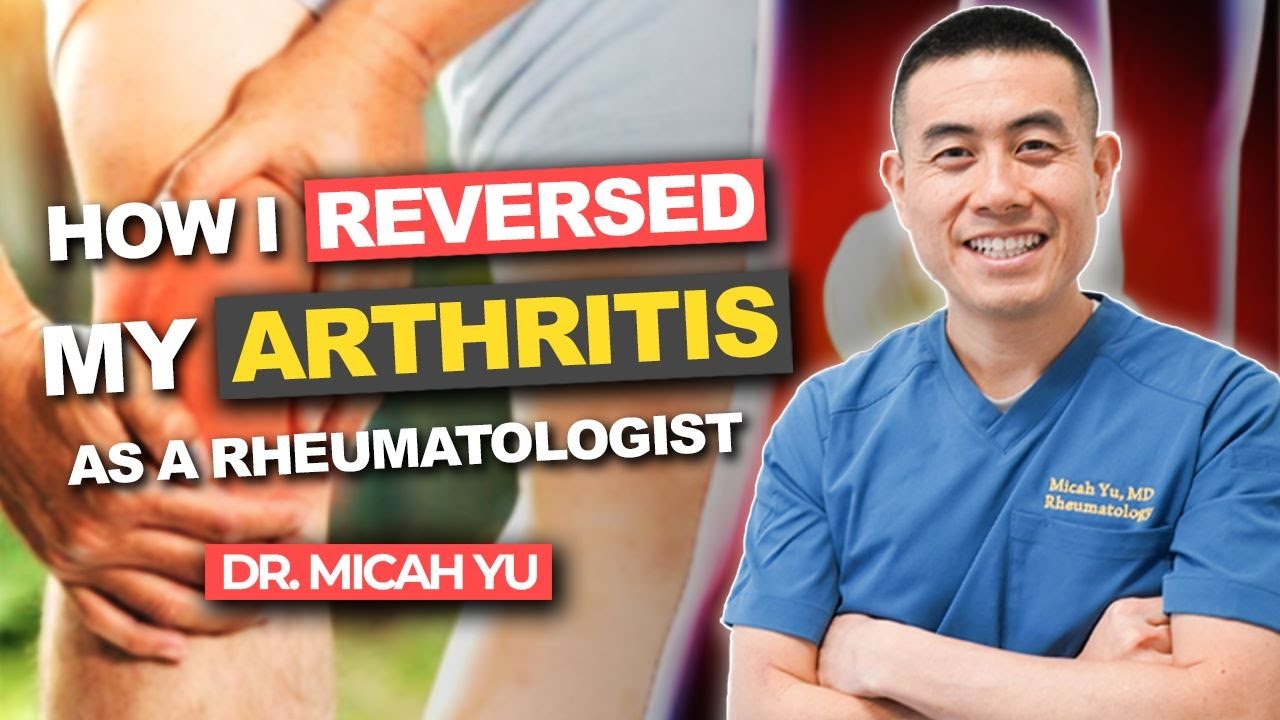


Arthritis is often viewed as a lifelong, incurable condition, but what if that weren’t entirely true? Dr. Micah Yu, a practicing rheumatologist, defied conventional expectations with a personal battle that spanned nearly two decades—successfully reversing his arthritis naturally through integrated medicine, lifestyle changes, and diet. His inspiring journey sheds light on the potential for self-healing in chronic autoimmune diseases, including arthritis.


A Diagnosis That Came Early
Dr. Yu’s story began in his high school years, where despite being a physically active young man playing football, he experienced the sudden onset of severe joint pain. At just 17 years old, he was diagnosed with gout, a form of arthritis linked to high uric acid levels, which was initially triggered by a high-protein diet he followed to lose weight and gain strength. This early diagnosis was the first of many health challenges he would face, including multiple types of inflammatory arthritis.
Living With Invisible Pain in Youth
For many young adults, facing a chronic illness that visibly makes one appear old or disabled can be deeply isolating. Dr. Yu recounted the difficulties of managing pain flares throughout his college years, missing social events and battling depression due to the unpredictable nature of his arthritis. The disease progressed with new symptoms such as inflammation in his joints that didn’t align with typical gout—for example, pain in his hands and jaw, recurrent fevers, and a persistent burning sensation in his feet, leading to multiple specialist visits without clear diagnoses.
Breaking the Mold: Refusing Lifelong Medication
When Dr. Yu was officially diagnosed with spondyloarthritis, an autoimmune type of arthritis, and gout, conventional medicine offered treatments like methotrexate and Plaquenil that are commonly prescribed for rheumatoid arthritis. However, he made a bold decision to refuse these medications due to concerns about lifelong dependency and side effects. Instead, he sought alternative approaches, especially focusing on diet and lifestyle, despite little guidance or training on nutrition during his formal medical education.
Discovering the Power of a Plant-Based Diet
The turning point came through exposure to lifestyle medicine and a plant-based diet. Introduced by his wife and inspired by research and documentaries such as Forks Over Knives, Dr. Yu adopted a whole-food, plant-based diet. Within months, his pain flares diminished remarkably. He regularly consumed nutrient-rich meals, including vegetables, fruits, grains, and legumes, while avoiding processed foods, meats, and dairy. His inflammation markers, including C-reactive protein, significantly improved, eventually reaching remission without medication.
Integrative Medicine: Combining the Best of All Worlds
Dr. Yu’s experience led him to pursue advanced training in lifestyle medicine, integrative medicine, and functional medicine, equipping him with a diverse toolbox to help his patients. He now balances pharmaceuticals with alternative therapies such as dietary supplements, mindfulness, exercise, and stress reduction. This approach recognizes that while diet and lifestyle can work wonders, some patients may require a personalized combination of treatments depending on their condition’s complexity.
Lessons From the Journey
Dr. Yu’s story is a powerful testament to the human body’s ability to heal when supported properly. He acknowledges that remission through diet may not work for everyone, but it offers hope and an important alternative to patients disillusioned by conventional treatments. His advice emphasizes the foundational role of fruits and vegetables and encourages patients to explore integrated treatments while remaining under medical supervision.
The Larger Impact
Now, Dr. Yu dedicates himself to sharing his story and the lessons he’s learned to inspire others facing arthritis and chronic illnesses. He encourages patients to see their condition not as a curse, but as an opportunity for self-discovery and healing. Through social media, blogs, and patient care, he champions the belief that with proper knowledge, support, and determination, individuals can reclaim their health and improve their quality of life—often naturally.