

Hypertension, commonly known as high blood pressure, isn’t just a random number on a device — it’s a silent condition that slowly damages your heart, kidneys, and brain over time. According to Dr. Ade Meidian Ambari, a cardiologist and Chairman of PERKI (Indonesian Heart Association), hypertension has now surpassed smoking as the number one cause of heart disease in Indonesia.
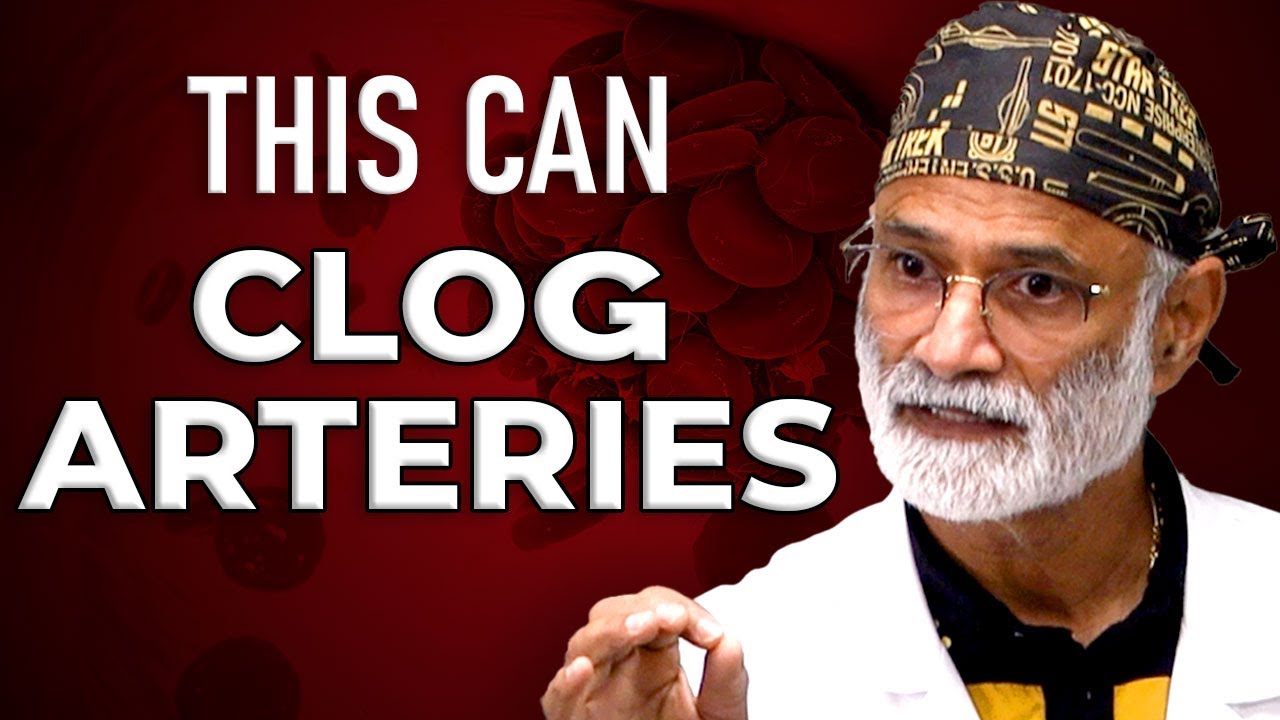

It’s not an exaggeration — one in every three adults in Indonesia suffers from hypertension, and the numbers are growing worldwide. The World Health Organization (WHO) calls it a “silent killer” because it rarely shows symptoms until severe complications occur, such as stroke, heart attack, or kidney failure.

2. When Are You Considered Hypertensive?
In simple terms, if your blood pressure is consistently higher than 140/90 mmHg, you are considered hypertensive. However, that number isn’t absolute for everyone.
Dr. Ade explains that doctors determine hypertension after several readings at rest — not immediately after exercise or stress. Some people experience what’s known as “white coat hypertension”, meaning their blood pressure spikes when they visit a doctor due to anxiety, but remains normal at home.

For precise diagnosis, doctors may use ABPM (Ambulatory Blood Pressure Monitoring) — a small device that measures your pressure automatically over 24 hours to identify your true average.
3. The Stages and Targets of Blood Pressure
According to European Society of Cardiology guidelines (2024), hypertension is classified into grades:
-
Grade 1: Systolic 140–159 mmHg
-
Grade 2: Systolic ≥160 mmHg
For healthy adults, the target is below 140/90 mmHg. But if you have diabetes or heart disease, your target should be below 130/80 mmHg to prevent complications.
4. Salt, Food, and the Real Cause Behind Hypertension
Dr. Ade emphasizes one of the biggest culprits: salt (sodium). Indonesians and Americans alike consume excessive sodium daily — mostly from ultra-processed foods like instant noodles, nuggets, sausages, and snacks.
A normal healthy person can tolerate up to 5 grams of salt per day (one teaspoon), equivalent to about 2 grams of sodium. But for people with hypertension, this amount should be cut in half — or even to one-third.
Why? Because sodium holds water in your bloodstream, increasing blood volume and pressure. As Dr. Ade explains, “When there’s too much sodium, your blood retains fluid, and that extra volume pushes your blood pressure up.”
He also warns against so-called “healthier salts” like Himalayan salt — it still contains 98% sodium, so it’s no better for your heart.
5. Can Food Alone Cause High Blood Pressure?
Absolutely. Hypertension often results from a combination of genetics and lifestyle. If your parents or siblings have high blood pressure, you’re at higher risk — but that doesn’t mean it’s inevitable.
Dr. Ade’s key advice:
“If your lifestyle is healthy — low salt, balanced diet, regular exercise, no smoking, and limited alcohol — you can prevent hypertension even if it runs in your family.”
He also mentions that certain foods, like coconut milk (santan) and fried dishes, contribute to high cholesterol and artery stiffness, both of which raise blood pressure.
6. Smoking, Caffeine, and Alcohol — What’s the Truth?
Cigarettes are a confirmed hypertension trigger. Nicotine damages the elasticity of blood vessels, leading to atherosclerosis (plaque buildup) and permanently higher pressure.
As for coffee, the news isn’t all bad. Dr. Ade clarifies:
“Even patients with heart disease can drink coffee — as long as it’s black coffee, no sugar, one to two cups a day.”
So, coffee lovers can relax — as long as they don’t pair it with cigarettes. Alcohol, on the other hand, should be consumed minimally or avoided altogether since it interferes with blood pressure control.
7. Exercise and Hypertension: What’s Safe?
Can hypertensive patients exercise? Yes — and they should!
Exercise initially raises your blood pressure, but over time, it helps lower it by improving blood vessel flexibility and heart function.
For those with readings above 160/90 mmHg, Dr. Ade advises lowering your blood pressure with medication before starting exercise. Once controlled, aim for regular, moderate activity like brisk walking, swimming, or cycling at least 30 minutes a day.
“If your lifestyle changes, your medication dose can often be reduced,” he says.
8. The Role of Medication — Why You Shouldn’t Stop Suddenly
Hypertension medications are not “forever” — they’re a bridge toward stability. But stopping them suddenly is dangerous.
Common drug types include:
-
ACE inhibitors (like Captopril, Ramipril)
-
ARBs (Valsartan, Candesartan)
-
Calcium channel blockers (Amlodipine)
-
Diuretics (Hydrochlorothiazide)
Stopping medication abruptly can cause a “rebound effect” — sudden, extreme spikes that may cause stroke or heart attack. Always consult your doctor before changing or discontinuing any medicine.
9. The Kidney Connection: Hypertension’s Hidden Victim
Hypertension and chronic kidney disease (CKD) are deeply linked. High blood pressure damages the tiny blood vessels (glomeruli) in the kidneys, impairing their ability to filter waste.
Dr. Ade warns that even young adults in their 30s are developing kidney problems from uncontrolled blood pressure and energy drink overuse.
“Four cans a day can harm your kidneys,” he cautions.
If you already have kidney issues, controlling blood pressure is your best protection against further damage.