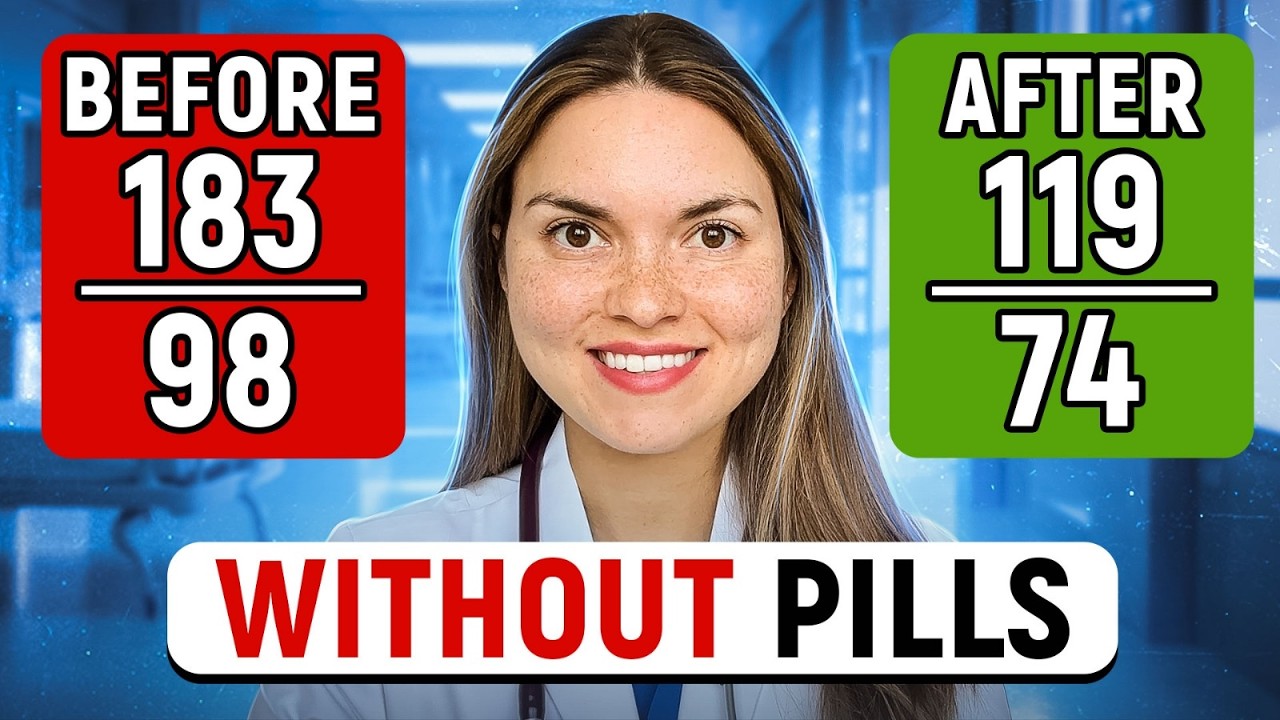


High blood pressure, or hypertension, is one of the most common chronic conditions in the world. It’s often called the silent killer because it usually shows no symptoms until it causes serious damage to your heart, kidneys, or brain. According to the World Health Organization, nearly 1.3 billion people globally live with high blood pressure, and about half of them don’t even know they have it.
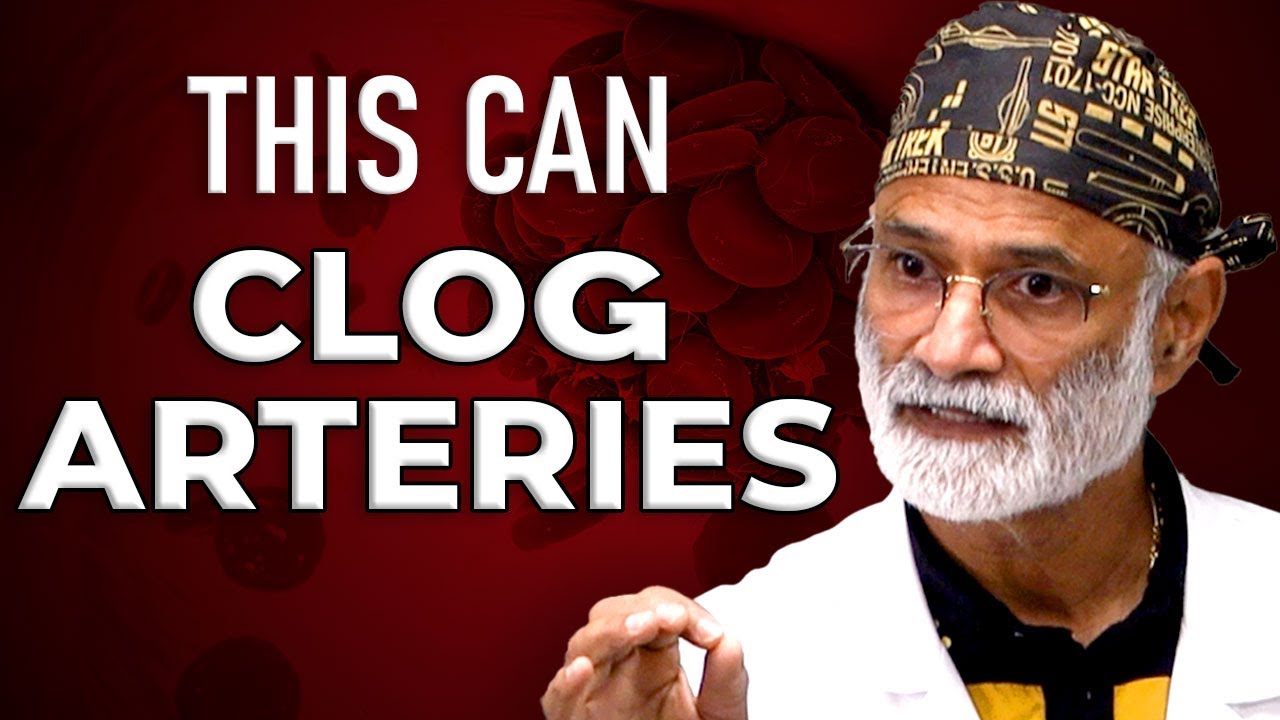

The good news? You can lower your blood pressure naturally—and even prevent hypertension—by following evidence-based lifestyle strategies proven by science. Dr. Siobhan Deshauer, an internal medicine physician and rheumatologist, has shared 10 powerful, research-backed methods to help keep your blood pressure under control without relying solely on medications.

Let’s break down these doctor-approved secrets to a healthier heart.
1. Follow the DASH Diet — The Gold Standard
The DASH (Dietary Approaches to Stop Hypertension) diet is considered one of the most effective eating plans for lowering blood pressure. It focuses on whole, unprocessed foods, fruits, vegetables, lean proteins, nuts, seeds, and low-fat dairy, while cutting back on sodium, red meat, and added sugars.

Studies show that following the DASH diet can reduce systolic blood pressure (the top number) by 5 to 6 points on average.
Key DASH principles:
-
Eat more fruits and vegetables (at least 5 servings daily).
-
Choose whole grains over refined carbs.
-
Include lean proteins like fish, chicken, and beans.
-
Limit sodium intake to 2,000 mg per day or less.
Why sodium matters: excess salt stiffens your arteries and raises blood volume, making your heart work harder. But it’s not just about skipping the salt shaker — 80% of sodium comes from processed or restaurant foods.
So, next time you reach for that “healthy” takeout bowl, check the nutrition label first!
2. Power Up with Potassium-Rich Foods
If sodium is the villain, potassium is its natural antidote. Potassium helps relax blood vessels and allows your kidneys to flush out excess sodium through urine.
Adding potassium-rich foods like bananas, oranges, spinach, sweet potatoes, and beans can lower blood pressure by 5 to 7 points.
However, if you have kidney disease or take certain medications (like ACE inhibitors or potassium-sparing diuretics), check with your doctor before increasing potassium intake, as too much can be dangerous.
3. Exercise: Move Your Way to Lower Pressure
Exercise is one of the most powerful natural medicines for your heart. A 2023 BMJ meta-analysis of 270 trials found that isometric exercises — like wall squats and planks — are among the most effective, reducing systolic blood pressure by up to 8 points.
But the best exercise is the one you’ll actually do!
Cardio, weight training, yoga, or even brisk walking — all lower blood pressure if done consistently.
Aim for:
-
30 minutes of moderate activity at least 5 days a week.
-
Mix cardio with resistance training for optimal results.
Even small movements — taking the stairs, stretching at work — make a difference over time.
4. Maintain a Healthy Weight
Weight loss can have an incredible effect on blood pressure. For every 2.2 pounds (1 kg) lost, your blood pressure drops by about 1 point.
Carrying extra weight, especially around the waist, increases strain on the heart and arteries. If you’re overweight, even modest weight loss of 5–10% of your body weight can yield significant improvements.
5. Limit Alcohol Consumption
While a glass of wine may feel relaxing, alcohol actually raises blood pressure, especially when consumed in excess.
Drinking more than two drinks per day (for men) or one drink per day (for women) increases hypertension risk.
If you enjoy alcohol occasionally, stick to moderation — or try alcohol-free alternatives. Your heart and liver will thank you.
6. Quit Smoking — Your Arteries Will Thank You
Nicotine constricts blood vessels, temporarily raising blood pressure and damaging arterial walls over time. The chemicals in cigarette smoke also cause chronic inflammation, accelerating hardening of the arteries.
Quitting smoking isn’t just good for your lungs — it can dramatically improve circulation, oxygen levels, and overall cardiovascular health within weeks.
7. Prioritize Quality Sleep
Getting less than six hours of sleep per night increases the risk of developing high blood pressure. Poor sleep affects hormone regulation, making your body retain salt and raising stress hormones.
If you sleep enough but still wake up tired, it could be sleep apnea — a condition where breathing stops and starts repeatedly during sleep. Sleep apnea is a major, often hidden cause of resistant hypertension.
Common warning signs:
-
Loud snoring or gasping for air at night
-
Excessive daytime sleepiness
-
Morning headaches
If this sounds familiar, talk to your doctor about a sleep study.
8. Manage Stress the Smart Way
Chronic stress doesn’t just make you feel anxious — it can elevate your blood pressure indirectly by leading to unhealthy habits like overeating, smoking, or drinking.
Instead of letting stress control you:
-
Try mindfulness, deep breathing, or meditation.
-
Spend time outdoors or with loved ones.
-
Journal your thoughts or practice gratitude.
Simple daily mindfulness practices have been shown to reduce systolic blood pressure by several points in clinical studies.
9. Get a Pet — Seriously!
Believe it or not, research shows that pet owners, especially dog owners, tend to have lower blood pressure. Caring for a pet encourages physical activity, companionship, and lower stress hormone levels.
In one small study, adopting a dog had a stronger effect on lowering blood pressure than standard medication for some people. Time to unleash those healing paws!