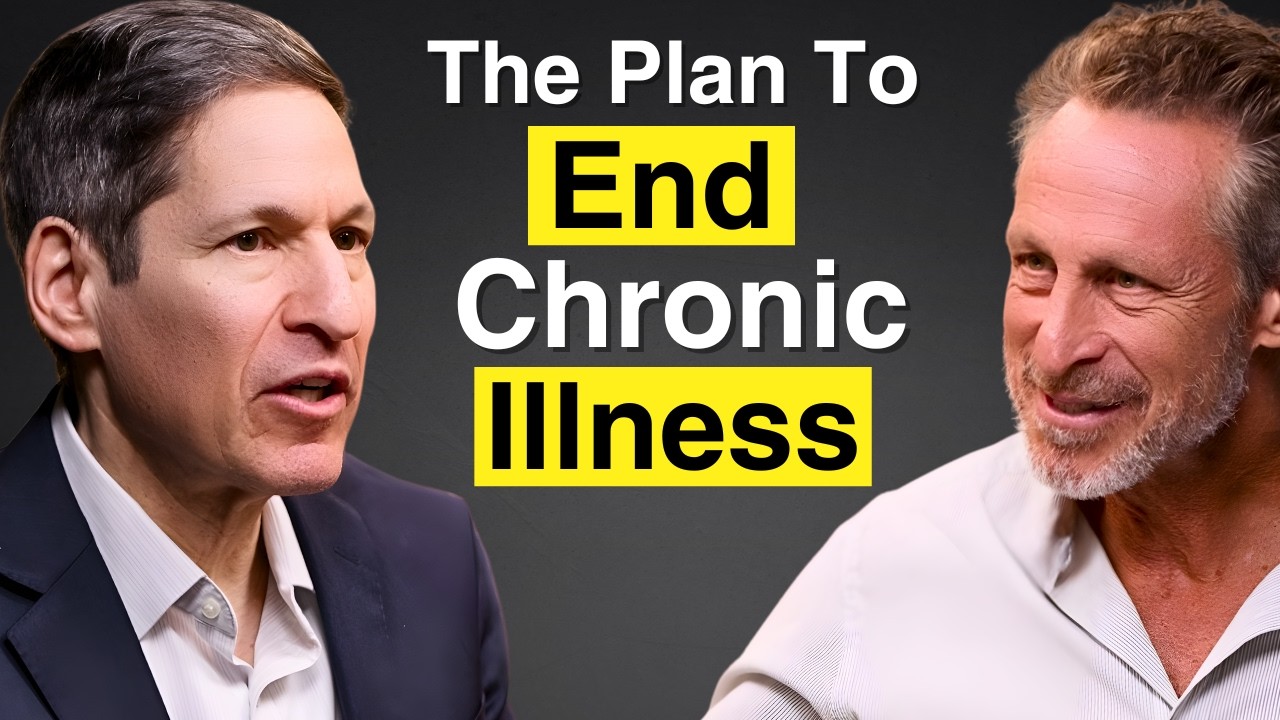

Dr. Frieden emphasizes that prevention and medical treatment are not enemies—they are allies.
Essential clinical improvements:
-
Universal access to primary care

-
Better blood pressure management
-
Appropriate use of statins and chronic disease medication
-
Integrated nutrition and lifestyle programs
-
Aligning payment models with prevention (e.g., Kaiser Permanente model)
The current system rewards disease, not health.
A reformed system would reward longevity, prevention, and quality of life.
Conclusion
Public health is not about controlling people—it is about protecting them.
The real threats today are not viruses alone but chronic diseases driven by food, environment, behavior, and unequal access to healthcare.
We can save millions of lives by improving communication, reducing ultra-processed foods, rethinking modern diets, strengthening primary care, and empowering people with simple, science-based tools.
The path to better health begins with seeing the hidden forces around us, believing that change is possible, and creating smart policies and personal habits that make healthy living easier—not harder.
What You Should Do
Recommended Actions
-
Choose whole foods instead of ultra-processed products
-
Drink less soda and sugary beverages
-
Increase foods high in potassium (leafy greens, bananas, beans)
-
Reduce sodium intake from packaged and restaurant foods
-
Maintain adequate vitamin D levels
-
Stay physically active in enjoyable ways
-
Build a relationship with a primary care physician
-
Support local and national policies that improve food environments
What to Avoid
-
Excessive consumption of ultra-processed foods
-
High-sodium packaged foods
-
Sugary drinks
-
Relying solely on supplements instead of lifestyle
-
Spreading misinformation during public health crises
-
Assuming chronic diseases are inevitable
Summary
Public health in America is facing a crisis of misunderstanding, mistrust, and chronic disease. As highlighted in the uploaded interview transcript Dr. Tom Frieden explains how public health failed to communicate effectively during COVID-19 and why chronic illnesses such as obesity, hypertension, diabetes, and metabolic syndrome remain the leading causes of preventable death. Ultra-processed food, sugar consumption, sodium overload, and the lack of potassium-rich diets fuel this epidemic. Evidence from global models such as Chile and Mexico shows that soda taxes, warning labels, food marketing restrictions, and salt reduction strategies sharply reduce chronic disease risk. Dr. Frieden’s SEE–BELIEVE–CREATE formula offers a roadmap: see the invisible drivers of illness, believe that change is possible, and create effective policies such as sugary beverage taxes, clear food labels, and expanded primary care access. Individuals can act by reducing processed foods, lowering sodium intake, increasing potassium, improving vitamin D status, and being physically active. The future of public health depends on integrating personal health with systemic reform to rebuild trust and prevent chronic disease at scale.
References
Scientific Journals
-
Global Burden of Disease Study 2019. The Lancet.
-
Afshin, A. et al. “Health effects of dietary risks.” The Lancet.
-
Mozaffarian, D. “Ultra-processed foods and cardiometabolic health.” BMJ.
-
He, F. J., & MacGregor, G. A. “Salt reduction to prevent hypertension.” Current Opinion in Cardiology.
-
Hall, K. D. et al. “Ultra-processed diets cause excess calorie intake.” Cell Metabolism.
Wikipedia Sources
-
Public health
-
Ultra-processed food
-
Food addiction
-
Sodium–potassium ratio
-
Sugary drink tax
-
Tobacco control