“I thought dieting meant feeling deprived. But after switching to the Mediterranean lifestyle, I’ve never felt healthier, more satisfied, and more alive.”
That’s what Laura, a 48-year-old mother of two from Texas, told her doctor after six months of following the Mediterranean diet. Her cholesterol dropped, her energy skyrocketed, and she no longer felt chained to calorie counting.


She’s not alone. For six consecutive years, the Mediterranean diet has been ranked the #1 diet in the world, according to U.S. News & World Report. But what makes it so special? Why do doctors, nutritionists, and even kidney specialists keep recommending it—not as a “diet,” but as a way of life?
Let’s dive into why this ancient, flavor-rich eating pattern from coastal Europe continues to dominate modern health science and how it can transform your body, mind, and longevity.
1. The Mediterranean Diet: More Than a Diet—It’s a Lifestyle
Dr. Blake Schusterman, a board-certified kidney specialist known as The Cooking Doc, says,

“Nobody really wants to go on a diet. That’s why I love the Mediterranean diet—it’s more of a lifestyle.”
Imagine this:
You’re living on a hillside in Sicily or Crete, overlooking the blue Mediterranean Sea. Around you are olive trees, citrus groves, and vineyards. Your meals are made from fresh vegetables, fruits, olive oil, grains, fish, and herbs. You walk daily through cobbled streets, share laughter with family over dinner, and sip a small glass of red wine as the sun sets.
That image captures the Mediterranean way of living—not just eating. It’s about community, simplicity, and balance.
2. A Plant-Based Foundation for Lifelong Health
At its heart, the Mediterranean diet is plant-based.
That means most of your nutrients and proteins come from:
-
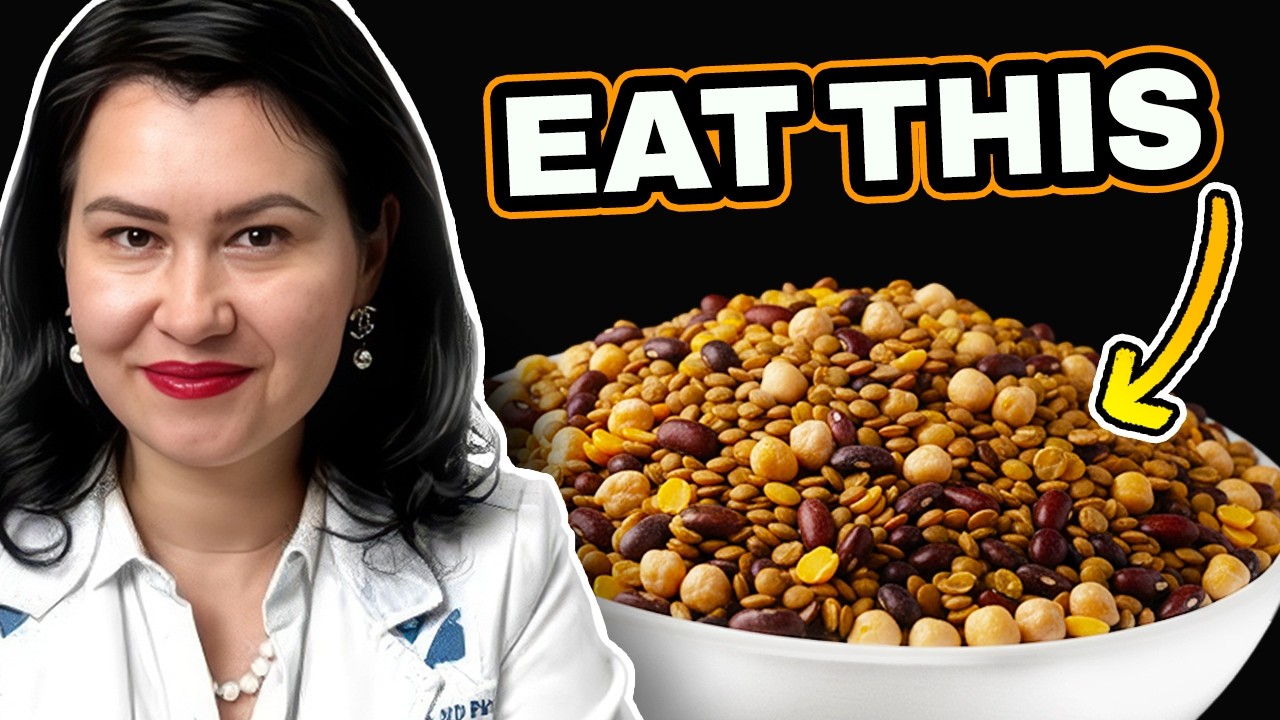
Legumes (beans, lentils, chickpeas)
-
Whole grains (brown rice, farro, barley, oats)
-
Nuts and seeds (almonds, walnuts, pumpkin seeds)
-
Fruits and vegetables in abundance
Animal protein is optional—not essential. Fish and poultry are eaten regularly, while red meat is occasional.
This plant-focused eating pattern helps reduce chronic inflammation, supports heart health, and maintains stable blood sugar—core benefits supported by countless studies published in The New England Journal of Medicine and The American Journal of Clinical Nutrition.
3. Fat Is Your Friend (The Right Kind of Fat)
Contrary to what diet culture tells you, the Mediterranean diet is not low-fat—it’s good-fat-forward.
The hero here is extra virgin olive oil, a natural anti-inflammatory rich in antioxidants like polyphenols.
Other healthy fat sources include:
-
Avocados
-
Nuts and seeds
-
Fatty fish like salmon, sardines, and mackerel
These fats keep you full longer, improve your “good” HDL cholesterol, and support brain function.
Dr. Schusterman says, “Sometimes, eating fat helps prevent overeating sugar.”
So yes—drizzle that olive oil on your salad guilt-free.
4. The Mediterranean Diet Doesn’t Fear Carbs
Unlike trendy low-carb or keto diets, the Mediterranean approach embraces whole grains.
That means enjoying foods like:
-
Whole-wheat bread
-
Quinoa
-
Brown rice
-
Oats
-
Farro or bulgur
The key difference? These carbs are unrefined, meaning they digest slowly, keep you energized, and prevent insulin spikes.
So if you love pasta—relax. You don’t need to give it up. Just choose whole-grain pasta, and pair it with olive oil, veggies, and lean protein.
5. Dairy and Wine: Moderation, Not Restriction
Moderate consumption is the rule of thumb.
The Mediterranean diet allows:
-
Low-fat or Greek yogurt
-
Cheese in small portions
-
A glass of red wine, occasionally
Wine is optional—and its benefits likely come from the polyphenols in grapes, not the alcohol.
If you don’t drink, don’t start. But if you do, one small glass shared with a meal and friends is part of the lifestyle’s social joy.