

Type 2 diabetes mellitus (T2DM) is one of the most widespread chronic diseases in the modern world. It’s often described as a “silent epidemic” — slowly progressing without noticeable symptoms, yet capable of affecting nearly every organ in the body.


Unlike type 1 diabetes, which stems from the body’s inability to produce insulin, type 2 diabetes results from the body’s resistance to insulin — the hormone that regulates blood sugar. Over time, this insulin resistance leads to high blood glucose levels, triggering a chain reaction of metabolic imbalances.

Let’s dive into how type 2 diabetes develops, what it does to your body, and how you can take control of your health before complications set in.
1. What Is Type 2 Diabetes Mellitus?
Type 2 diabetes mellitus (T2DM) is a metabolic disorder where the body becomes resistant to insulin or doesn’t make enough of it to keep blood sugar under control. As a result, glucose builds up in the bloodstream instead of entering cells for energy.

In a healthy body, the pancreas releases insulin after eating, helping cells absorb glucose and convert it into energy or store it as glycogen. When insulin doesn’t work properly, blood sugar levels rise — a condition called hyperglycemia.
According to the World Health Organization (WHO), around 90% of all diabetes cases worldwide are type 2 diabetes. The numbers are climbing fast due to poor diet, lack of exercise, stress, and rising obesity rates.
2. How Type 2 Diabetes Develops: The Science Made Simple
Your body’s glucose regulation is a delicate dance between hormones and cells. Here’s how it’s supposed to work — and what goes wrong in T2DM:
-
In a healthy person:
After eating, blood sugar rises, triggering insulin release from the pancreas. Insulin allows glucose to enter muscle, liver, and fat cells, lowering blood sugar back to normal. -
In type 2 diabetes:
The body’s cells stop responding properly to insulin. To compensate, the pancreas pumps out more insulin — leading to hyperinsulinemia (too much insulin in the blood). Over time, the pancreas gets “tired,” insulin production drops, and blood sugar levels rise uncontrollably.
This breakdown affects multiple organs — liver, muscles, fat tissue, kidneys, and even the brain. Scientists call this the “ominous octet” — the eight major defects behind type 2 diabetes.
3. The “Ominous Octet”: 8 Root Causes of Type 2 Diabetes
-
Insulin Resistance in Muscles – Muscles can’t absorb glucose efficiently, leaving too much sugar in the bloodstream.
-
Liver Insulin Resistance – The liver continues to release glucose even when blood sugar is already high.
-
Beta-Cell Dysfunction – Pancreatic cells that produce insulin start to fail due to overwork.
-
Excess Fat Breakdown (Lipolysis) – Fat cells release free fatty acids, worsening insulin resistance.
-
Reduced Incretin Effect – Hormones like GLP-1 that enhance insulin secretion stop working effectively.
-
Increased Glucagon Secretion – This hormone from the pancreas stimulates more glucose release from the liver.
-
Kidney Glucose Retention – The kidneys reabsorb too much glucose instead of excreting it.
-
Brain Insulin Resistance – The brain stops responding to insulin, increasing appetite and disrupting metabolism.
This combination explains why type 2 diabetes isn’t just “too much sugar.” It’s a system-wide hormonal imbalance.
4. Early Symptoms You Shouldn’t Ignore
Type 2 diabetes often starts quietly — most people don’t notice it until years later. But these are some of the early warning signs:
-
Increased thirst (polydipsia)
-
Frequent urination (polyuria)
-
Fatigue and low energy
-
Blurry vision
-
Slow wound healing
-
Frequent infections (especially urinary or skin)
-
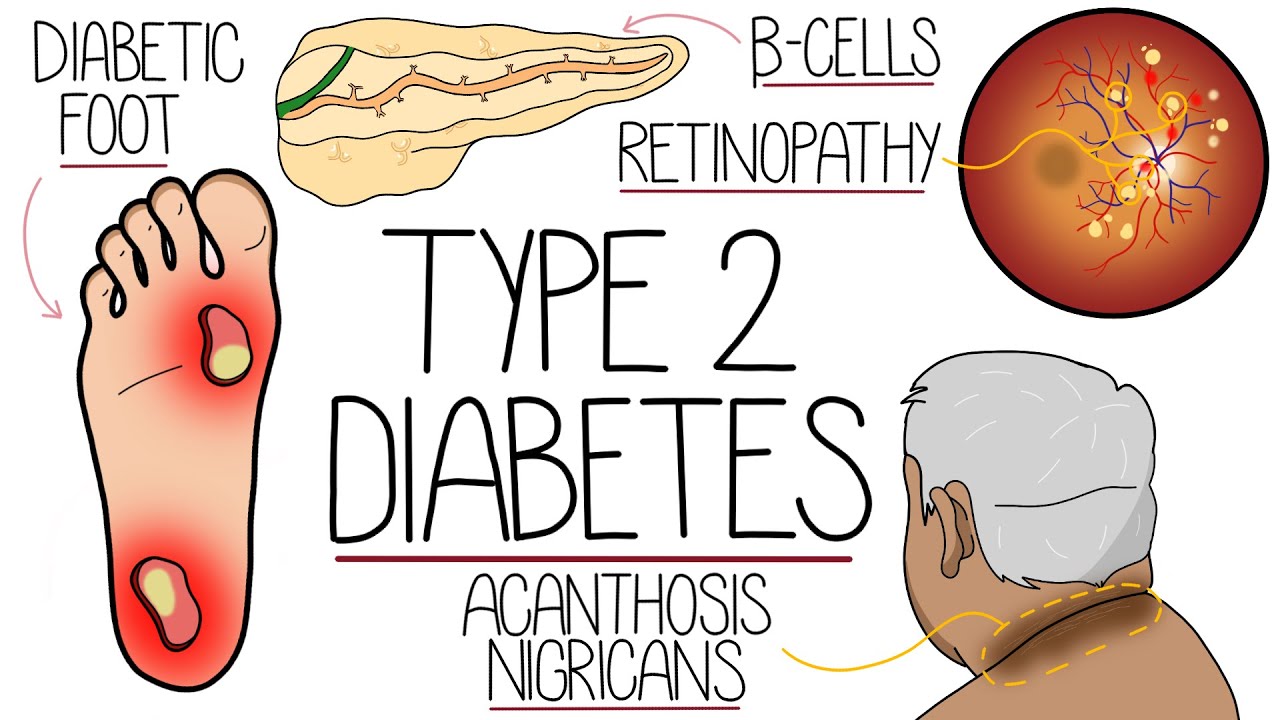
Dark patches on the neck or armpits (acanthosis nigricans)
Even mild symptoms like constant tiredness after meals or cravings for sweets can signal insulin resistance developing beneath the surface.
5. Long-Term Complications of Type 2 Diabetes
Uncontrolled blood sugar damages blood vessels and nerves throughout the body. Complications are divided into microvascular (small blood vessels) and macrovascular (large blood vessels).
Microvascular Complications
-
Retinopathy: Damage to the eye’s retina, leading to vision loss.
-
Nephropathy: Kidney failure from glucose-induced damage.
-
Neuropathy: Nerve damage causing tingling, pain, or numbness, especially in feet and hands.
Macrovascular Complications
-
Heart Disease: Increased risk of heart attacks and heart failure.
-
Stroke: Reduced blood flow to the brain.
-
Peripheral Artery Disease (PAD): Poor circulation, especially in legs and feet.
One of the most severe outcomes is the diabetic foot, where poor circulation and nerve damage can cause ulcers and infections that may lead to amputation.
6. The Hidden Crisis: Global Impact of Type 2 Diabetes
Back in 2000, about 4.6% of adults worldwide had diabetes. By 2021, that number had skyrocketed to 10.5% — meaning over 500 million people are affected.
The rise is linked to obesity, processed food diets, sedentary lifestyles, and chronic stress.
Certain ethnic groups — such as South Asians, African Caribbeans, and Native Americans — face even higher risk due to genetic predispositions.
7. How Type 2 Diabetes Is Diagnosed
Doctors use several tests to diagnose or confirm T2DM:
-
Fasting Plasma Glucose (FPG):
≥ 126 mg/dL (7.0 mmol/L) after at least 8 hours of fasting. -
Oral Glucose Tolerance Test (OGTT):
≥ 200 mg/dL (11.1 mmol/L) two hours after a glucose drink. -
Hemoglobin A1c (HbA1c):
≥ 6.5% (48 mmol/mol), reflecting average blood sugar over 3 months. -
Random Plasma Glucose:
≥ 200 mg/dL (11.1 mmol/L) with diabetes symptoms.
A HbA1c between 6.0–6.4% indicates prediabetes — your body is struggling with glucose control, but it’s not too late to reverse the trend.
8. Treatment: From Lifestyle to Medication
Lifestyle Modifications
The first line of defense is lifestyle change. Research shows that losing just 10–15% of body weight can put type 2 diabetes into remission.
A 2018 study called the DIRECT trial found that 46% of participants reversed diabetes after a year on an intensive weight-loss plan.
Key steps include:
-
Eating fewer refined carbs and sugars
-
Prioritizing whole grains, proteins, and vegetables
-
Exercising at least 150 minutes per week (moderate intensity)
-
Avoiding smoking and limiting alcohol
-
Getting enough sleep and managing stress