
Medications
If lifestyle changes aren’t enough, medications are used to improve insulin function and lower glucose:


-
Metformin – First-line therapy; reduces liver glucose production.

-
DPP-4 inhibitors (e.g., Sitagliptin) – Boost insulin secretion.
-
SGLT2 inhibitors (e.g., Empagliflozin) – Help kidneys excrete glucose.
-
Thiazolidinediones (e.g., Pioglitazone) – Increase insulin sensitivity.
-
GLP-1 receptor agonists (e.g., Tirzepatide) – Suppress appetite and enhance insulin response.
-
Insulin injections – Used if oral medications fail.


Doctors often personalize treatment depending on age, weight, cardiovascular risk, and blood sugar targets.
9. Simple Explanation: What’s Really Going On
Imagine your body as a car.
Insulin is the key that opens the fuel tank, allowing glucose (your body’s fuel) to enter cells.
In type 2 diabetes, the “lock” is jammed — the key (insulin) still works, but the door won’t open easily. So the body makes more keys (insulin), but over time, the lock gets stiffer. Eventually, sugar builds up in the bloodstream, causing damage everywhere.
The good news? You can “oil the lock” again through better nutrition, movement, and metabolic rest.
Conclusion (in Simple Terms)
Type 2 diabetes is not just about sugar — it’s about energy mismanagement at the cellular level. When your cells stop listening to insulin, sugar and fat start building up in all the wrong places.
But the power to reverse it lies in your daily habits. Eating real food, moving your body, getting quality sleep, and managing stress can all restore insulin sensitivity and bring your glucose levels back into balance.
You can’t control your genetics, but you can absolutely control your environment — and that’s where healing starts.
What You Should Do
✅ Eat smart: Focus on protein, fiber, and whole foods; cut sugary drinks and refined carbs.
✅ Move more: Walk, lift, stretch — your muscles are glucose-burning machines.
✅ Sleep well: Aim for 7–9 hours of deep, restful sleep.
✅ Monitor regularly: Check your fasting glucose and HbA1c levels at least twice a year.
✅ Stay hydrated: Water helps flush excess glucose and supports kidney function.
What You Should Avoid
🚫 Skipping meals or extreme diets
🚫 Processed foods and sugary beverages
🚫 Chronic stress and lack of sleep
🚫 Smoking and excessive alcohol
🚫 Ignoring early warning signs like fatigue or blurred vision
Summary
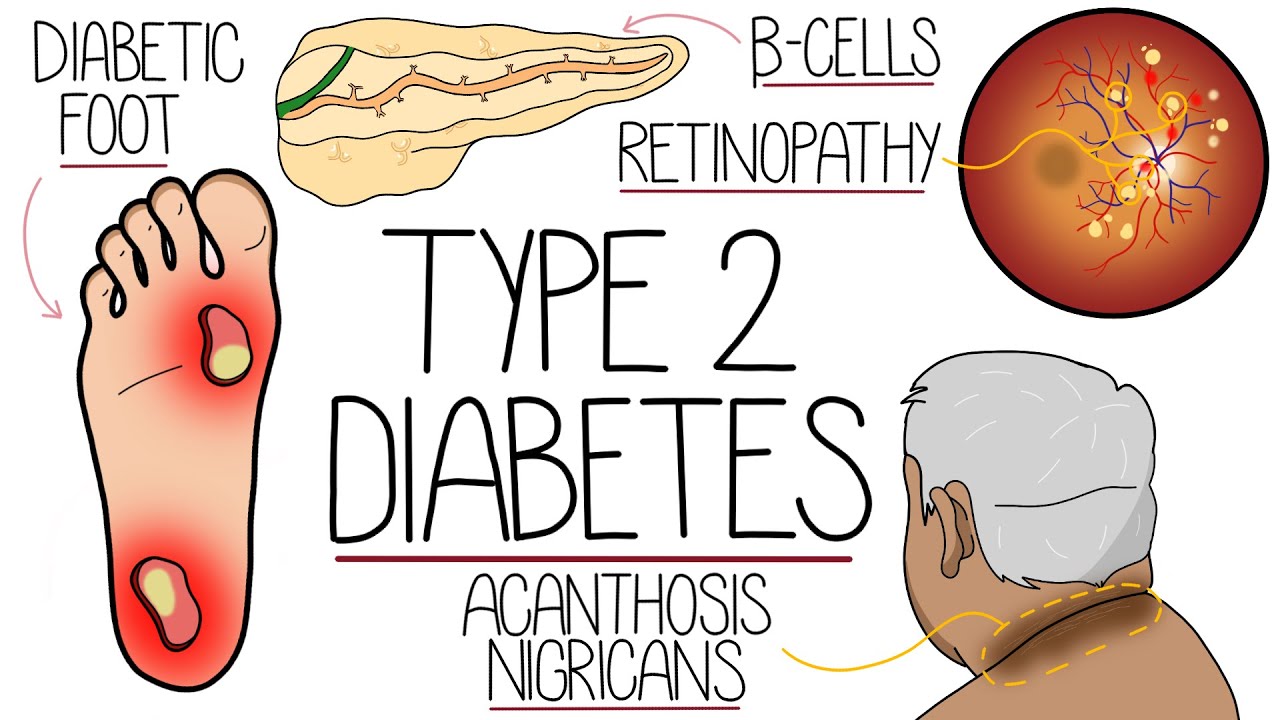
Type 2 diabetes mellitus is a chronic condition marked by insulin resistance and high blood sugar. It develops gradually as the body becomes less responsive to insulin, leading to elevated glucose levels and eventual pancreatic fatigue. The disease affects nearly every organ — from eyes and kidneys to nerves and the heart.
The “ominous octet” explains eight underlying problems driving diabetes, from muscle insulin resistance to increased glucose production in the liver and kidneys. Symptoms like thirst, fatigue, or blurred vision often appear late, but early detection can prevent severe complications.
Treatment begins with lifestyle changes — balanced diet, regular exercise, and weight loss — which can even reverse the condition. Medications like metformin or SGLT2 inhibitors are used if needed.
Ultimately, understanding glucose metabolism and insulin resistance helps you take charge of your health. By improving your lifestyle and staying consistent, you can control — or even beat — type 2 diabetes.
References
-
DeFronzo, R.A. (2009). From the Triumvirate to the Ominous Octet: A New Paradigm for the Pathogenesis of Type 2 Diabetes Mellitus. Diabetes, 58(4), 773–795. https://doi.org/10.2337/db09-9028
-
American Diabetes Association. (2024). Standards of Medical Care in Diabetes—2024. Diabetes Care. https://doi.org/10.2337/dc24-S001
-
Wikipedia contributors. Type 2 diabetes. Wikipedia, The Free Encyclopedia. https://en.wikipedia.org/wiki/Type_2_diabetes_mellitus
-
Taylor, R. et al. (2018). Remission of Human Type 2 Diabetes Requires Decrease in Liver and Pancreas Fat Content. Cell Metabolism. https://doi.org/10.1016/j.cmet.2018.07.003